Diabetes Support Welfare Society (DSWS)
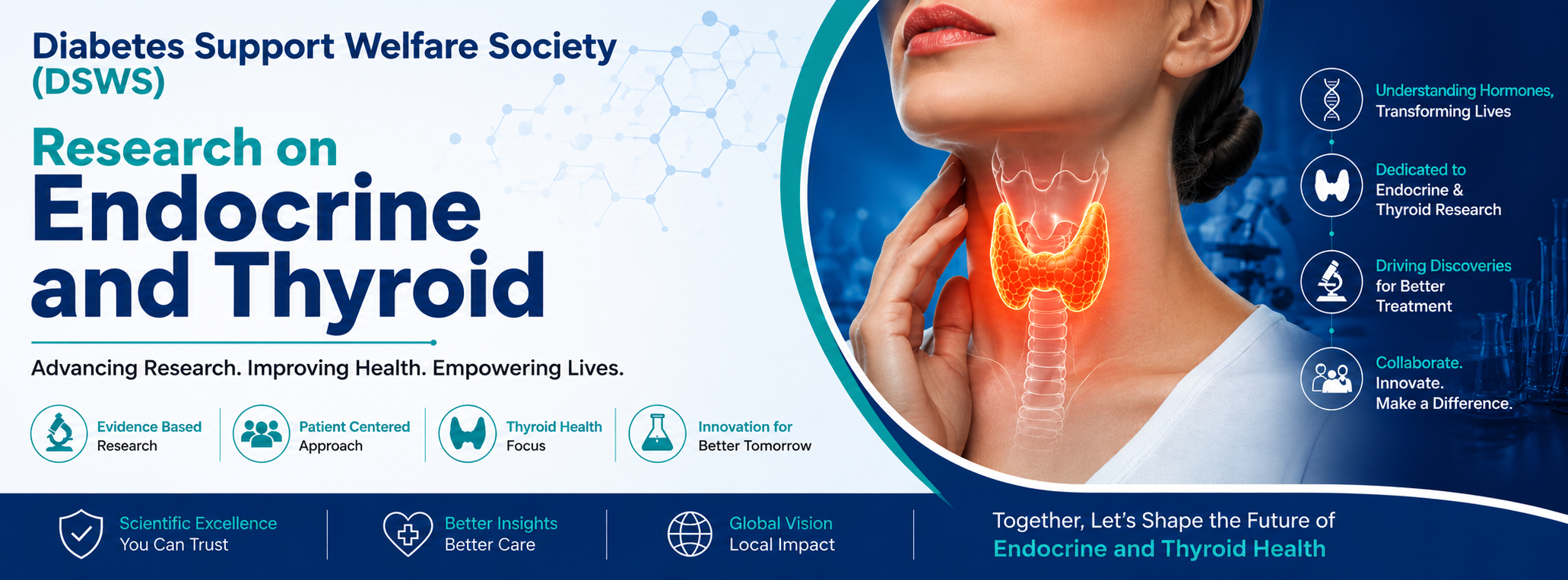
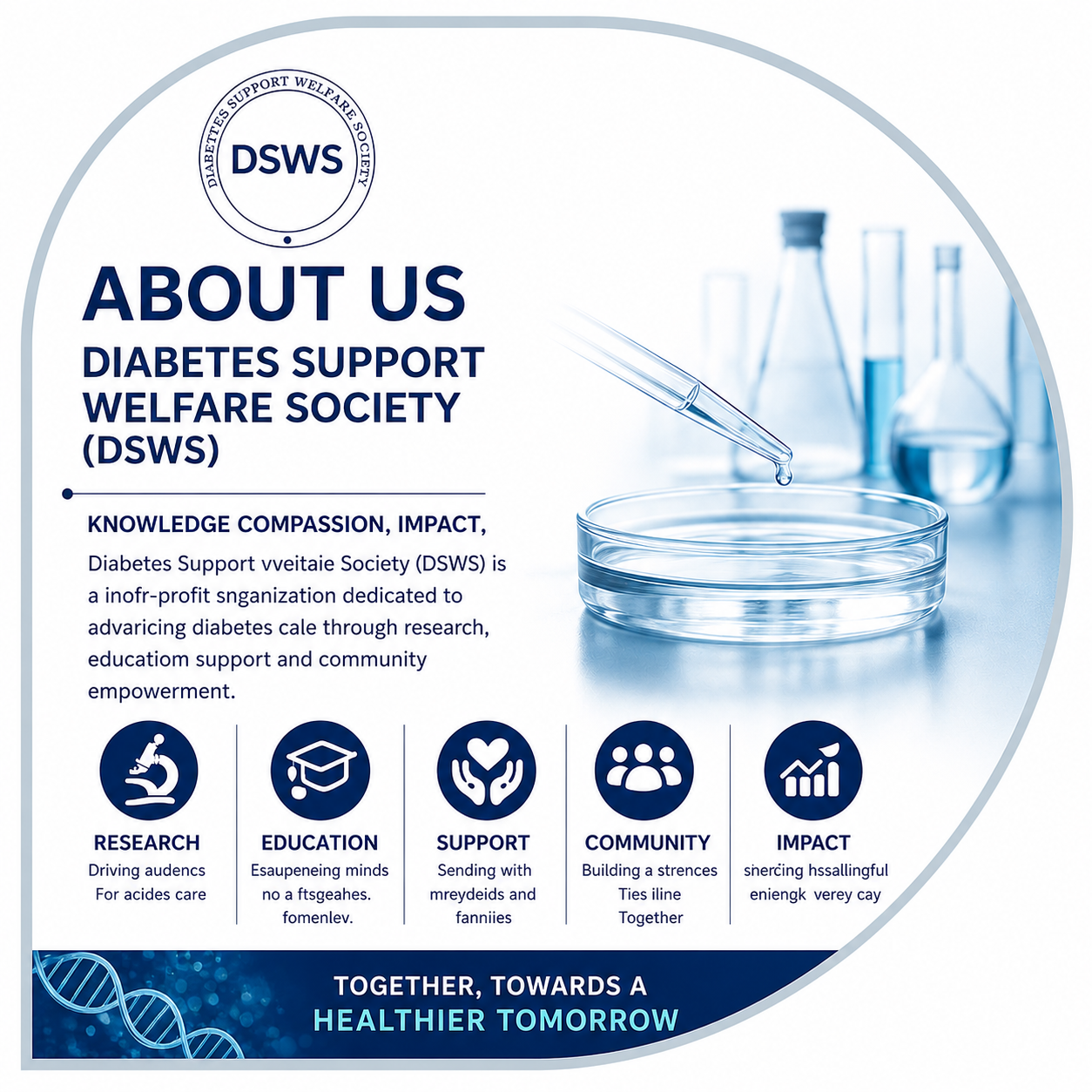
Diabetes Support Welfare Society (DSWS) is a patient-centered welfare and support initiative dedicated to improving the lives of individuals living with diabetes and related endocrine disorders through awareness, education, counseling, community outreach, and accessible healthcare support.
Based in Lucknow, DSWS works toward creating a healthier and more informed community by promoting early diagnosis, preventive care, diabetes education, lifestyle modification, and emotional well-being support for people living with chronic metabolic conditions.
The society actively conducts:
- Diabetes awareness and screening programs
- Educational workshops and patient support activities
- Psychological counseling and emotional wellness support
- Nutritional and lifestyle guidance
- Type 1 diabetes support initiatives
- Public health awareness campaigns
- Research and academic collaborations in diabetes and endocrinology
Research & Publications – Diabetes
Support & Welfare Society

Development of a Calculator for HNF1A- and HNF4A-MODY in Asian Indians - Journal of Diabetes Science and Technology, 2026
Read More
Ongoing Scientific Investigations
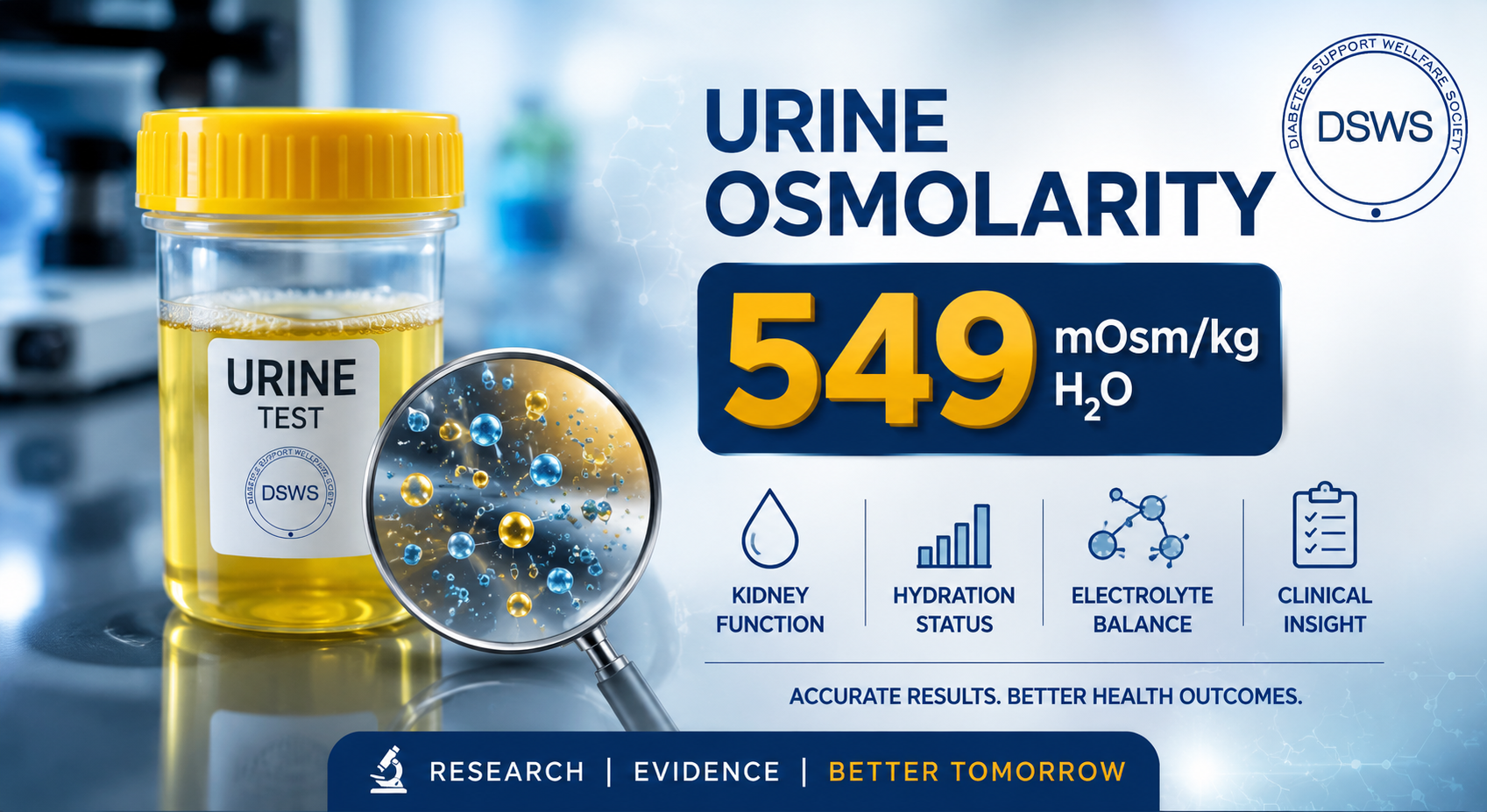
Urine Osmolarity
Why This Study Matters
Urine osmolality testing is widely used in clinical practice, yet significant inaccuracies exist due to the inappropriate use of serum-based formulas and lack of standardized methods. Variability in laboratory practices and sample handling further affects reliability, potentially impacting patient care.
Read More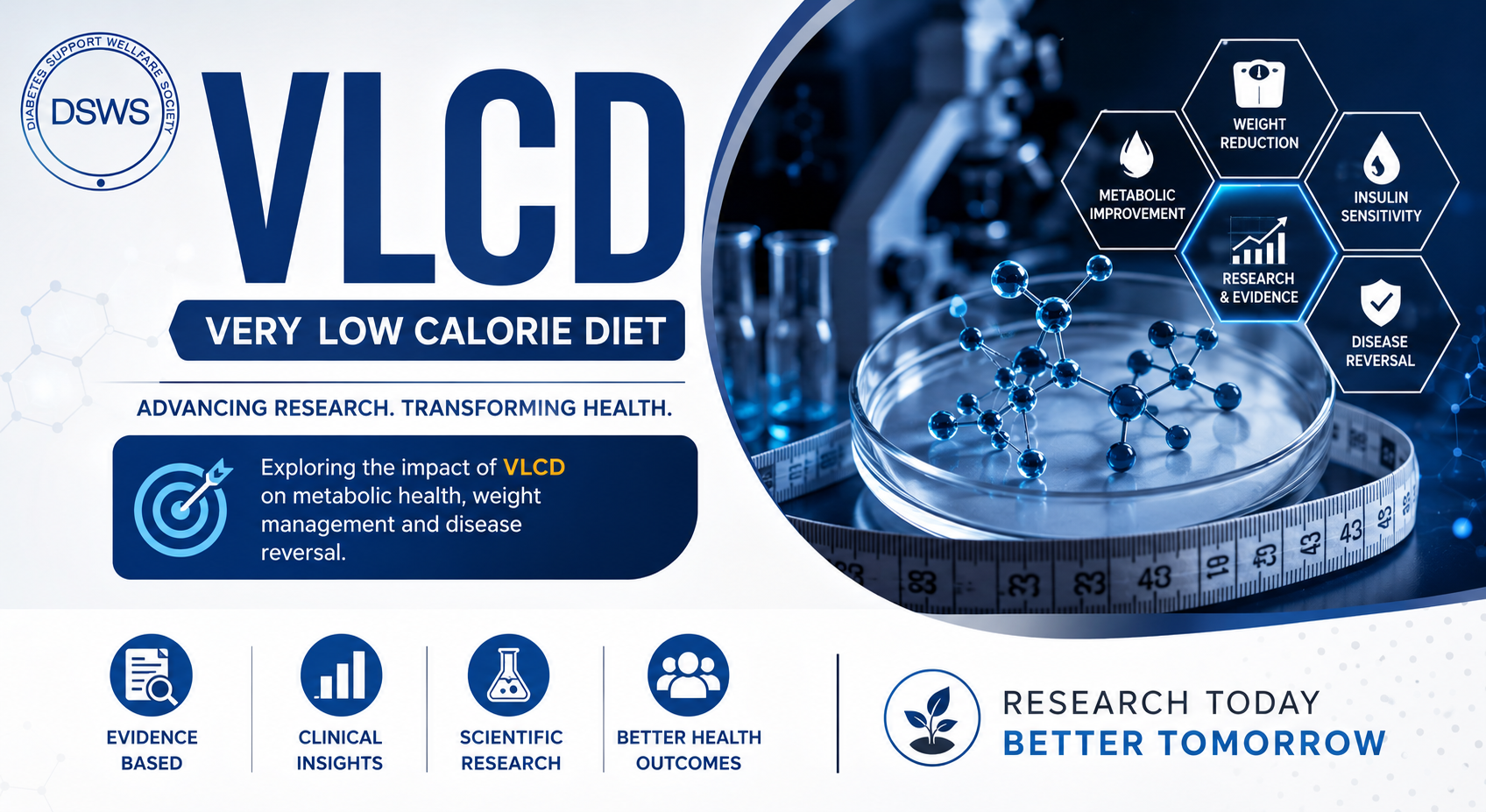
VLCD
Why This Study Matters
Management of Type 2 Diabetes Mellitus (T2DM) after failure of triple oral therapy remains challenging, often requiring escalation to insulin or GLP-1 receptor agonists. While effective, these options can be costly, complex, and associated with side effects such as weight gain and hypoglycemia.
Read More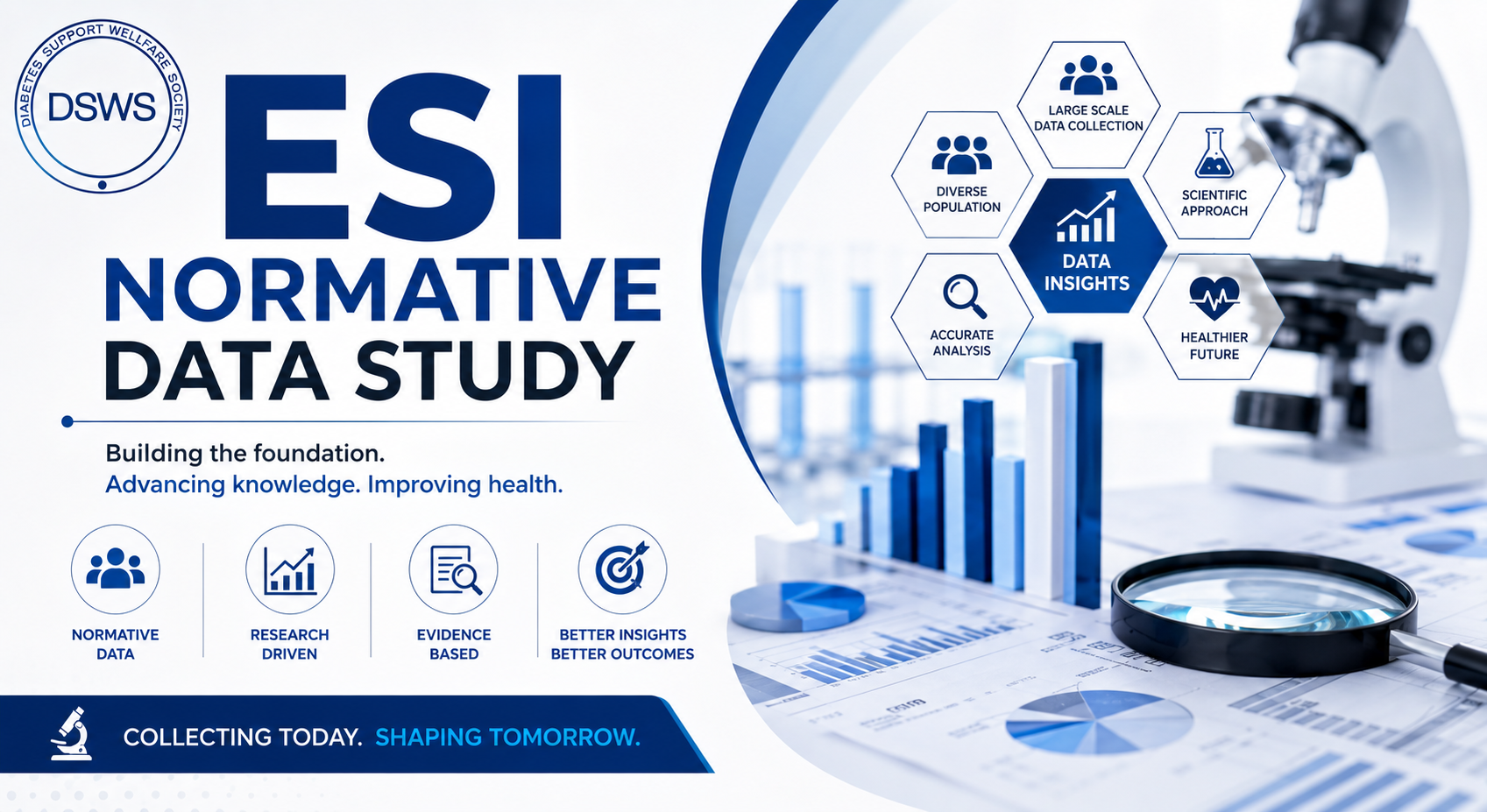
ESI Normative Data Study
Why This Study Matters
Serum testosterone plays a crucial role in diagnosing endocrine disorders such as male hypogonadism and polycystic ovary syndrome (PCOS). However, accurate diagnosis depends on reliable reference ranges, which vary across populations.
Read More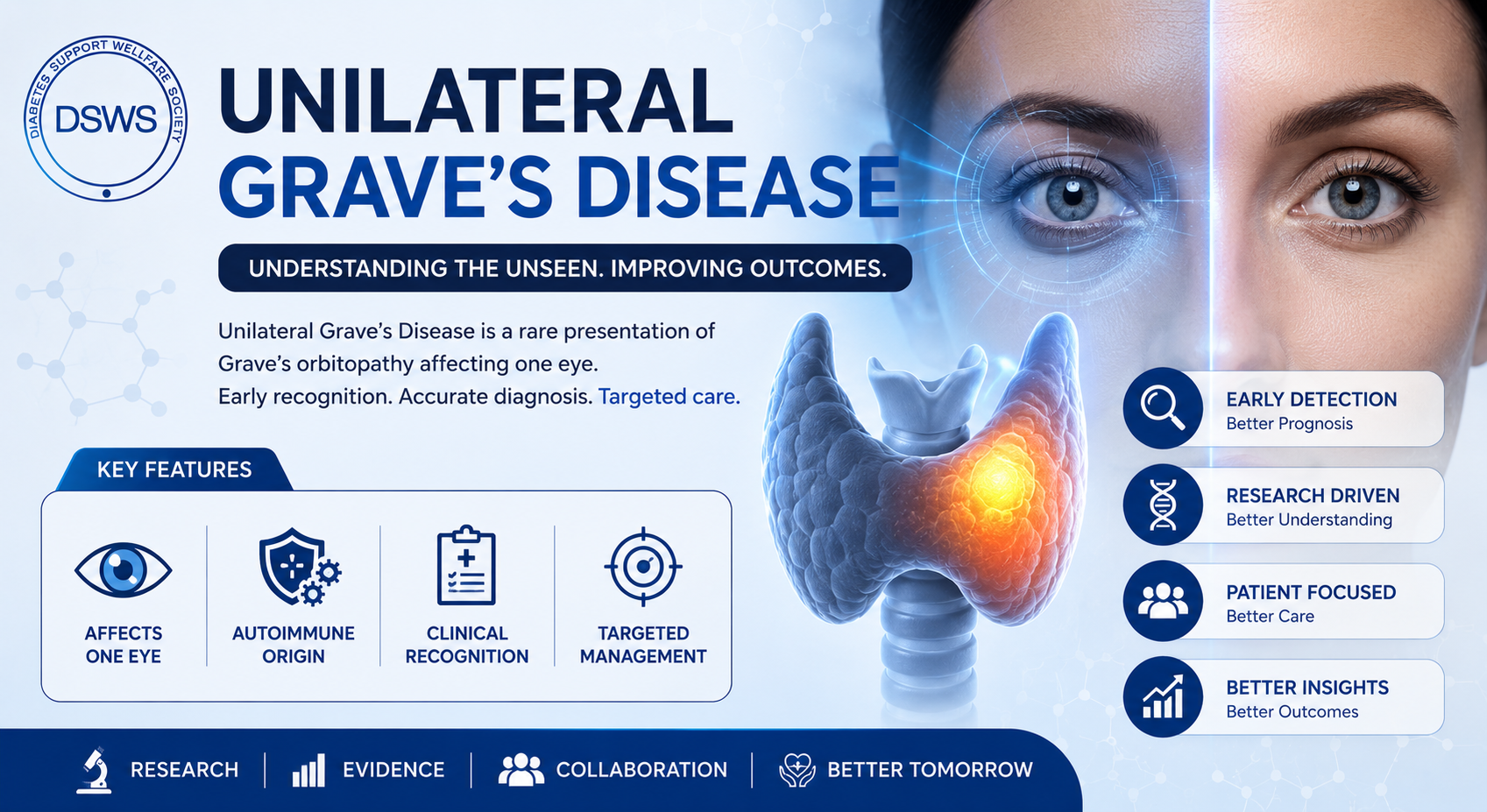
Unilateral Grave’s Disease
Why This Study Matters
Graves’ disease is typically a bilateral autoimmune condition, but unilateral Graves’ disease (UGD) represents a rare and poorly understood variant. Its natural history remains unclear, particularly whether unilateral involvement is stable or evolves over time.
Read More